
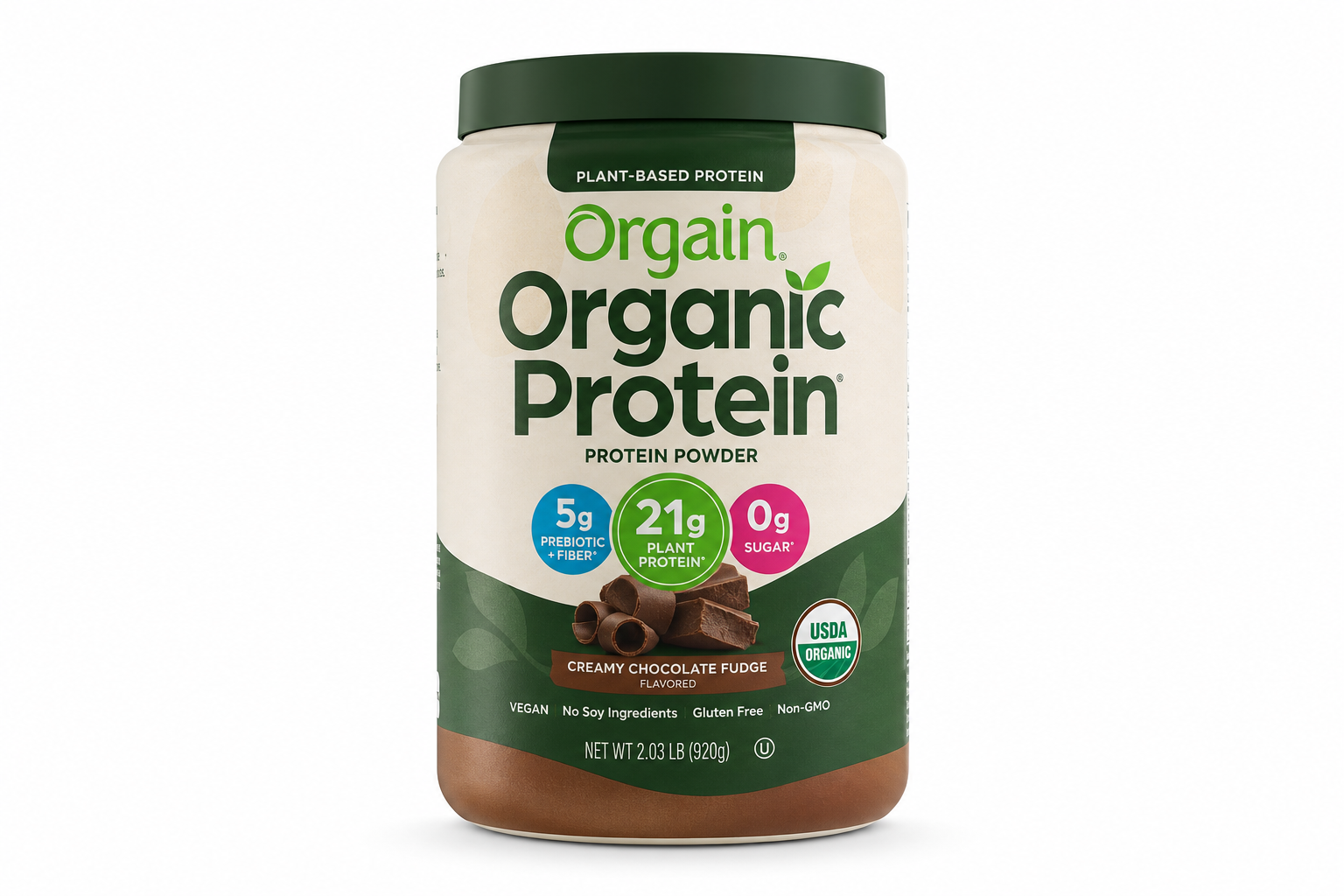
Orgain has one of the most compelling origin stories in the supplement industry: Dr. Andrew Abraham developed it while recovering from cancer, frustrated by the overly processed nutritional shakes hospitals served. That mission-driven beginning has translated into a genuinely clean product in many ways — but our ingredient audit revealed some surprising gaps that the marketing glosses over. This is the complete picture.
What Is Orgain?
Orgain is a plant-based nutrition company founded in 2009 by Dr. Andrew Abraham, a physician and cancer survivor, in Irvine, California. Frustrated by the processed, sugar-laden nutritional drinks offered during his cancer treatment (the standard hospital shakes are essentially flavored sugar with synthetic vitamins), Abraham created his own formula focused on organic, real-food ingredients.
The company remains privately held with Dr. Abraham actively involved — a meaningful differentiator in an industry where most brands have been acquired by private equity or multinational food conglomerates. Orgain has expanded from its original protein powder into shakes, bars, kids' nutrition, and collagen products, maintaining USDA Organic certification across the line.
The origin story matters because it creates an expectation: a doctor who personally experienced the failings of processed nutrition should produce something meaningfully better. In several ways, Orgain delivers on that promise. In others, it falls surprisingly short.
Nutrition Profile: The Full Breakdown
Macronutrients
Each serving of Orgain Organic Protein Powder delivers:
- Calories: 150 kcal
- Total Fat: 4g (5% DV) — 0.5g saturated (from coconut and sunflower oil)
- Total Carbohydrates: 15g (5% DV)
- Dietary Fiber: 1g (4% DV) — among the lowest in the category
- Total Sugars: 0g added sugar
- Protein: 21g (42% DV) — organic plant blend (pea, brown rice, chia)
- Sodium: 290mg (13% DV)
The macros tell a clear story: Orgain is primarily a protein supplement, not a meal replacement. At 150 calories, this is a post-workout shake or a between-meals boost — not something that replaces breakfast or lunch. Retailers that categorize it as a "meal replacement" are stretching the definition significantly.
The zero added sugar is a genuine win, and 21g protein from a triple plant-source blend is competitive. The calorie-to-protein ratio is excellent for those tracking macros.
Micronutrients — The Good, the Bad, and the Missing
This is where Orgain delivers a genuine surprise — both directions.
The genuinely good:
Orgain uses an "Organic Food Based B Vitamin Blend" sourced from guava, holy basil, and lemon extracts. This is legitimately better than the synthetic folic acid and cyanocobalamin that most competitors use. The B vitamins come from concentrated whole-food sources, meaning they arrive with their natural cofactors and in forms your body recognizes. It's not quite the gold standard of food-grown vitamins (grade A+), but it's genuinely food-based and a clear step above synthetic (grade A-/B+ on our scale).
This one ingredient choice tells us Dr. Abraham's team knows what quality nutrition looks like. Which makes the next part even more puzzling.
The genuinely bad:
- Vitamin D: 0% DV — completely absent. For a product marketed as daily nutrition, this is a critical omission. Vitamin D deficiency affects an estimated 42% of Americans, and daily supplementation is one of the most impactful nutritional interventions available.
- Calcium: 4% DV — essentially zero functional contribution. This is trace-level background calcium from the plant ingredients, not deliberate fortification.
- Iron: Minimal coverage
- Zinc, Magnesium, Selenium: Not meaningfully present
The contrast is striking: Orgain invested in premium food-based B vitamins, then left out Vitamin D entirely and barely covered any mineral. It's as if the formula was designed to be excellent at one thing (B vitamins) and forgotten about everything else.
Ingredient Deep Dive
Protein — Organic Triple Blend (Genuine Quality)
The protein blend is Orgain's strongest feature: organic pea protein, organic brown rice protein, and organic chia seed protein. All three hold legitimate USDA Organic certification, and the combination provides a complete amino acid profile.
Pea protein delivers lysine; brown rice provides methionine — together they cover each other's amino acid gaps. The chia seed protein adds trace omega-3 fatty acids (ALA) and fiber. This is one of the cleaner, better-designed plant protein blends in the category.
The estimated PDCAAS of the blend is approximately 0.82-0.87, which is solid for plant protein. Not as high as whey (1.0) but competitive with the best plant options available.
The Sunflower Oil Problem
Here's where Orgain contradicts its own mission. The product contains sunflower oil — a seed oil that's increasingly scrutinized for its high omega-6 content and inflammatory potential.
For a brand founded by a cancer survivor specifically because hospital nutrition products were too processed, the inclusion of an industrial seed oil is jarring. Other organic brands have found alternatives: coconut oil provides creaminess, MCT oil adds healthy fats, flaxseed oil adds omega-3s. All would better align with Orgain's clean-label positioning.
The amount of sunflower oil is small (4g total fat, 0.5g saturated), so the actual health impact per serving is minimal. But it's a philosophical compromise that undermines the brand story.
Rice Dextrin and Erythritol
Rice dextrin is used as a processing aid. It's organic, but it's a refined carbohydrate that adds minimal nutritional value — essentially a filler for mixability and texture. Erythritol is the sweetener, which is a sugar alcohol generally well-tolerated by most people (unlike some alternatives that cause GI distress). It's a reasonable sweetener choice.
What's NOT in Orgain (And That's Good)
To Orgain's credit, the "not included" list is clean: no artificial sweeteners, no artificial colors, no artificial preservatives, no carrageenan, no maltodextrin, no soy. The ingredient list is short and readable — a genuine differentiator from competitors with 30+ ingredient panels.
Taste, Texture, and Mixability
Orgain scores well on taste. The Creamy Chocolate Fudge flavor has a smooth, mild chocolate taste without bitterness or chalkiness. The Vanilla Bean is pleasant and versatile for smoothies. Sweetness is moderate (from erythritol + monk fruit) — sweet enough to enjoy, not so sweet it tastes artificial.
Mixability is above average for a plant protein. Some mild grittiness from the pea protein is noticeable in water but disappears when blended with milk or in a smoothie. The texture is thinner than dairy-based shakes but thicker than most plant-based competitors.
Who Is Orgain For?
- People who want clean, organic protein supplementation (not meal replacement)
- Post-workout recovery seekers who prioritize organic sourcing
- Those willing to get vitamins D, calcium, and minerals from other sources
- Parents looking for a clean protein option (Orgain has a kids' line too)
- Budget-conscious organic shoppers ($2.00/serving is reasonable for USDA Organic)
Who Should Skip Orgain?
- Anyone looking for a complete daily nutrition supplement — the mineral gaps are too significant
- People who need Vitamin D support (42% of Americans are deficient)
- Those expecting a meal replacement (150 cal is a supplement, not a meal)
- Consumers who want high fiber (1g is essentially negligible)
Legal and Safety Record
No active lawsuits, FDA warnings, or product recalls found. Orgain maintains USDA Organic certification and non-GMO Project Verification. The clean legal record is one of Orgain's genuine strengths — in an industry plagued by class actions and regulatory issues, Orgain's track record stands out.
Dr. Abraham remains actively involved in the company, and the private ownership means formula decisions aren't driven by quarterly earnings pressure or PE exit timelines. This matters for long-term product consistency.
Strengths
- Organic Food Based B Vitamin Blend from real food sources (guava, holy basil, lemon)
- Founder-led by a physician/cancer survivor — genuine quality mission
- Affordable at $2.00/serving for a USDA Organic product
- USDA Organic certified + Non-GMO Project Verified
- No artificial sweeteners, colors, or preservatives
- 21g protein from a well-designed organic plant blend
- Clean legal and safety record — no lawsuits or recalls
- Short, readable ingredient list
- Good taste and above-average mixability
Limitations
- Contains sunflower oil — contradicts the clean-label mission
- Only 1g fiber — among the lowest in category, negligible for digestive health
- 0% Vitamin D coverage — critical gap for a daily nutrition product
- Only 4% Calcium — functionally absent
- Rice dextrin filler adds no nutritional value
- Limited mineral fortification across the board
- Only 150 calories — a supplement, not a meal replacement
- No third-party athletic testing certifications (NSF Sport, Informed Sport)
Value Assessment
At $2.00 per serving, Orgain delivers excellent value for organic protein. You're getting 21g of clean, USDA-certified organic plant protein with food-based B vitamins at a price that undercuts many non-organic competitors. For pure protein value, Orgain is hard to beat.
Where the value proposition breaks down is if you're expecting complete nutrition. The missing Vitamin D and minerals mean you'll need additional supplements — which adds cost and complexity. A separate Vitamin D + mineral supplement adds $0.15-$0.30/day, bringing the effective daily cost to $2.15-$2.30 with more hassle.
Final Verdict
Orgain is the most frustrating product to review because it's so close to being excellent. The organic protein blend is genuinely clean and well-designed. The food-based B vitamins prove that Dr. Abraham's team knows what quality nutrition looks like. The price point is fair. The taste is good. The legal record is spotless.
But 0% Vitamin D and 4% Calcium in a product marketed as daily nutrition is indefensible. The sunflower oil, while small in quantity, contradicts the clean-label mission. And 1g of fiber means this product does essentially nothing for digestive health, satiety, or the gut microbiome.
If you're buying Orgain specifically as an organic protein supplement and you get your vitamins, minerals, and fiber from other sources, it's one of the best choices in the category at a fair price. If you're buying it as your primary daily nutrition supplement, the micronutrient gaps are too significant to ignore. Orgain chose to do a few things very well rather than everything adequately — and your buying decision should align with that reality.
Score Breakdown
- Nutrition: 5.5/10
- Protein Quality: 7.5/10
- Vitamin Quality: 6.0/10
- Transparency: 7.0/10
- Value: 7.5/10
- Safety & Legal: 8.5/10
- Ingredient Purity: 5.5/10
Overall Score: 6.8/10
Frequently Asked Questions
Is Orgain really organic?
Yes — Orgain holds USDA Organic certification and Non-GMO Project Verification. The protein sources (pea, brown rice, chia) and the B vitamin blend (guava, holy basil, lemon) are legitimately organic. However, "organic" doesn't mean "complete" — the product still has significant vitamin D and mineral gaps.
Does Orgain have enough vitamins?
No. Orgain has an excellent food-based B vitamin blend, but 0% Vitamin D and 4% Calcium make it nutritionally incomplete. If you use Orgain daily, you'll need separate Vitamin D supplementation at minimum, and ideally a multi-mineral as well.
Why does Orgain contain sunflower oil?
Likely for mouthfeel, creaminess, and mixability. Sunflower oil is a common processing ingredient in protein powders. While it's organic, it's still a seed oil high in omega-6 fatty acids. Other organic brands use coconut oil or MCT oil as alternatives that better align with clean-label positioning.
Is Orgain good for weight loss?
At 150 calories and 21g protein with zero added sugar, the macros are weight-loss-friendly. However, with only 1g of fiber, it provides minimal satiety. You'll likely feel hungry within 1-2 hours unless paired with high-fiber foods. It works as part of a weight loss plan but shouldn't be your primary satiety source.
How does Orgain compare to Garden of Life?
Both are organic, both are plant-based, and both have founder stories rooted in health transformation. Garden of Life uses fermented vitamin sources (slightly higher quality than Orgain's food-based blend) and better mineral coverage, but costs $3.75/serving vs. Orgain's $2.00. Garden of Life was acquired by Nestlé; Orgain remains independent.
Is Orgain safe during pregnancy?
The organic ingredients and food-based B vitamins are positives, but the lack of Vitamin D, the minimal calcium, and the absence of iron make it inadequate as prenatal nutrition. Consult your OB/GYN and use a dedicated prenatal vitamin alongside any protein supplement.
About the Author: This review was written by a certified nutritionist with over 10 years of experience in holistic health and supplementation. We purchased this product independently and received no compensation for this review.
Explore More
📊 See the full rankings: Top Rated Meal Replacement Shakes 2026
📐 How We Score: Our 7-Dimension Methodology
⚖️ Compare Shakes Side-by-Side
📖 Related Reviews: Garden of Life Review (6.5/10) · Vega One Review (6.0/10) · Huel Review (7.2/10)


